Why Older Homes in Framingham Are Prone to Foundation Problems
Homes built in Framingham before the 1970s were often constructed with poured concrete, stone, or block foundations that have spent decades absorbing New England's freeze-thaw cycles. Each winter, water in the soil expands as it freezes and pushes against the foundation; each spring, it thaws and leaves voids that shift the supporting soil. Over 50 or 60 years, that cycle can open cracks, bow walls, and settle footings. If you own an older home here, knowing the foundation problems signs to watch for is the first step toward protecting your investment.
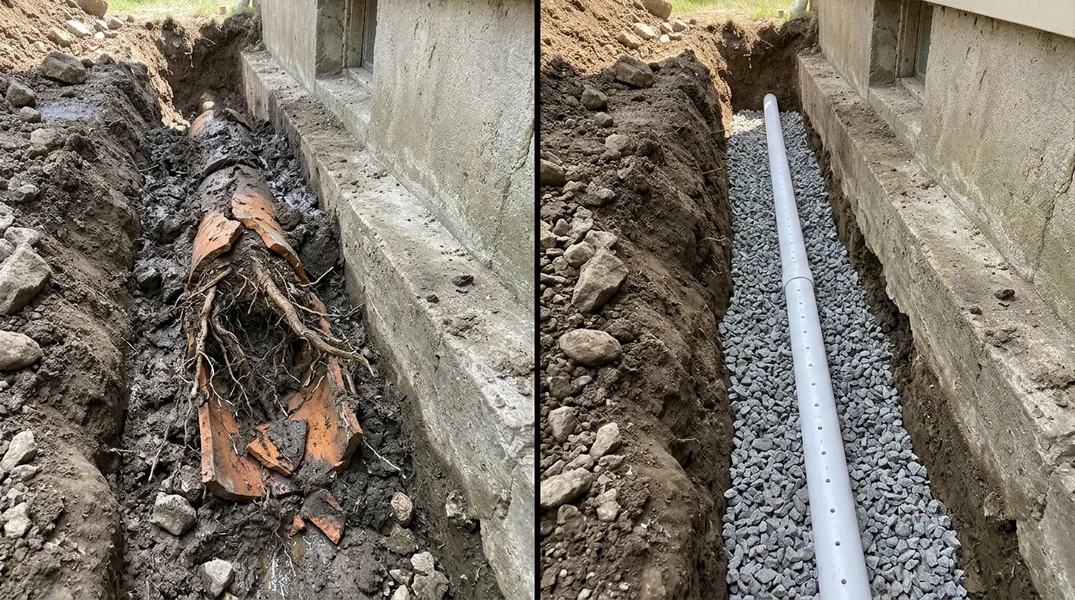
Many of these houses also sit on original drainage systems that were never designed for today's heavier rain events. Downspouts may discharge too close to the house, and older clay or cast-iron drain lines may have collapsed. That combination of aging materials and modern weather patterns is exactly why Foundation Waterproofing is such a common request for historic properties in the area. The good news is that most issues are manageable when caught early, before structural damage becomes expensive.
Basement Wall Cracks: Which Ones Matter and Which Are Cosmetic
Not every basement wall cracks signal a crisis. Hairline vertical cracks in poured concrete are often caused by normal curing shrinkage and may never leak. But horizontal cracks, stair-step cracks in block walls, and cracks wider than about an eighth of an inch deserve attention. Horizontal cracking is especially concerning because it often indicates soil pressure pushing inward on the wall, a condition that can lead to a bowing basement wall if left unaddressed. If you can see daylight through a crack or notice efflorescence (the white chalky powder that appears when water moves through concrete), moisture is already finding a path inside.
In older Framingham homes, cracks are frequently accompanied by dampness along the base of the wall or a musty smell in the basement. That is your cue to bring in a professional for an assessment. A specialist can tell you whether a crack is cosmetic or a symptom of a larger structural issue, and whether a repair like crack injection or a full Basement Waterproofing strategy is warranted. Ignoring these signs usually makes the eventual repair more invasive and more costly.
Bowing Basement Walls and Other Structural Warning Signs
A bowing basement wall is one of the most serious signs of foundation trouble. You may notice the wall leaning inward, a horizontal crack running along the middle, or doors and windows on the floor above that suddenly stick. In historic homes, stone and brick foundations can also show crumbling mortar, spalling brick faces, or sections that have shifted out of alignment. These are not cosmetic issues; they indicate that the wall is no longer handling the lateral load of the soil around it. If you see any of these, avoid the temptation to simply patch and paint over them.
Other structural clues include uneven floors, gaps between the foundation and the sill plate, and cracks that appear above interior door frames. Any one of these foundation problems signs is worth a professional look, and several together mean you should schedule an inspection promptly. For homeowners dealing with older home foundation repair, the right approach depends on the wall material and the cause of the movement, which is why an on-site evaluation matters more than a phone diagnosis. Call Framingham Waterproofing at (774) 217-6942 to arrange a free estimate and get a clear picture of what is happening below grade.
Historic Home Waterproofing: Solutions That Respect Older Construction
Historic home waterproofing requires more care than waterproofing a new build. Older foundations were often built with materials that need to breathe, and the wrong approach can trap moisture and accelerate deterioration. For many properties, an Interior Drain Tile System is a smart choice because it manages water after it enters without disturbing the exterior foundation or historic landscaping. It channels seepage to a sump and keeps the basement dry without altering the home's visible character.
When exterior work is appropriate, Exterior Basement Waterproofing can address the source of the problem by improving drainage and sealing the foundation from the outside. The right solution for your home depends on the wall type, the severity of the cracking, and how the site drains. Homeowners in nearby Marlborough and Hopkinton face similar challenges with older housing stock, and a good contractor will tailor the plan to the specific construction rather than applying a one-size-fits-all fix.
Foundation Repair Near Me: When to Call a Professional
If you are searching for foundation repair near me in the Framingham area, the safest rule is simple: call when you see movement, not just moisture. Dampness alone can often be managed with drainage improvements, but horizontal cracks, bowing walls, sticking doors, and shifting foundation sections call for a structural assessment. Waiting to see if a problem gets worse is risky because soil pressure and water infiltration rarely improve on their own. Early intervention is almost always less expensive than rebuilding a failed wall.
A professional inspection should include a clear explanation of what is causing the issue and a range of options, not just the most expensive one. Ask about pricing up front and request a written scope of work. Framingham Waterproofing serves homeowners throughout the area, including Hudson, and can walk you through both immediate repairs and long-term prevention. If you have noticed any of the signs above, do not wait for the next heavy rain to confirm what you already suspect.
Looking for a professional basement waterproofing contractor in Framingham? Framingham Waterproofing responds fast for all your basement waterproofing needs.
Get a Free QuoteOur services: Basement Waterproofing · Interior Drain Tile System · Exterior Basement Waterproofing